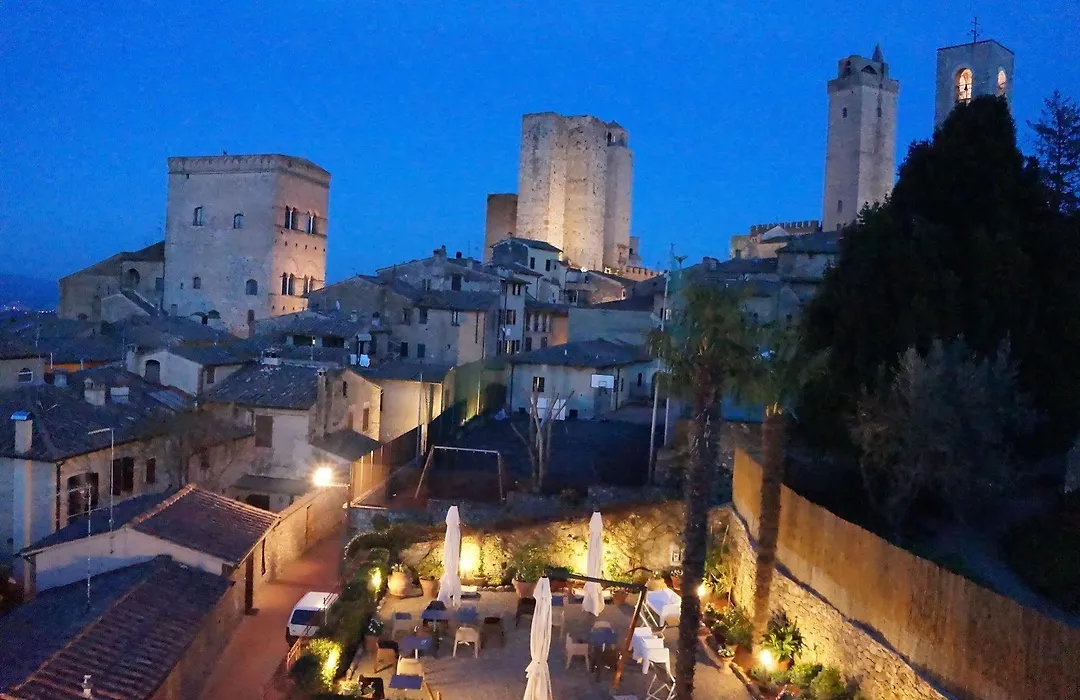
Church of Sant'Agostino: San Gimignano's Artistic Masterpiece
July 04, 2025

I spent nearly two hours exploring the extraordinary frescoes, particularly mesmerized by Gozzoli's unusual San Sebastian artwork with its symbolically bare-breasted Virgin Mary. The church offers an intimate glimpse into medieval Tuscan art, with easy access from San Gimignano's town center and a peaceful atmosphere that makes historical exploration feel personal.
Where medieval art meets spiritual storytelling, Church of Sant'Agostino hides a fresco that defies traditional religious imagery - a bare-breasted Virgin Mary protecting her people. Uncover the hidden symbolism and artistic rebellion of 15th-century Tuscany in one extraordinary church.
Need-to-Know Info Before Visiting Church of Sant'Agostino
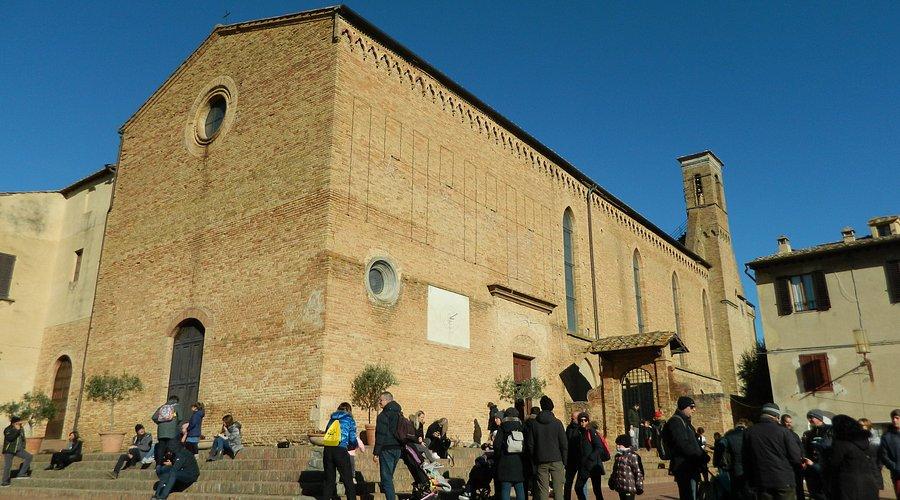
5+
images
Church of Sant'Agostino Address
Piazza Sant'Agostino, 53037 San Gimignano SI, Italy
Church of Sant'Agostino Opening Hours
- 🕒 Monday-Saturday: 9:30 AM - 5:30 PM
- 🕒 Sunday: Limited hours, check local schedule
- 🕒 English Mass: Sundays at 11 AM
How to get to Church of Sant'Agostino
- 🚗 By car: Parking available near Porta San Giovanni
- 🚌 Public transport: Regional buses from Poggibonsi train station
- 🚕 Rideshare: Taxi services available in San Gimignano town center
What is Church of Sant'Agostino known for?
- Late 13th-century Catholic church with extraordinary Renaissance frescos
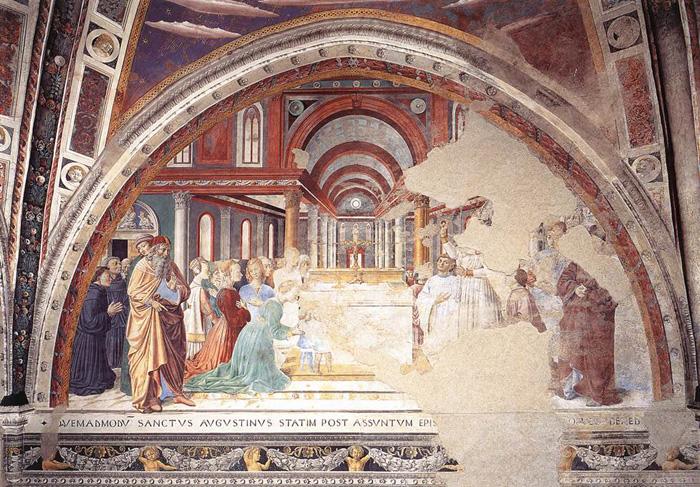
- Home to Benozzo Gozzoli's remarkable fresco cycle depicting Saint Augustine's life
- Features unique San Sebastian fresco showing the saint protecting citizens during 1464 plague
- Contains Lippo Memmi's Madonna and Child fresco, potentially the oldest in town
- Represents significant artistic and religious heritage of medieval Tuscany
What is Church of Sant'Agostino in San Gimignano?
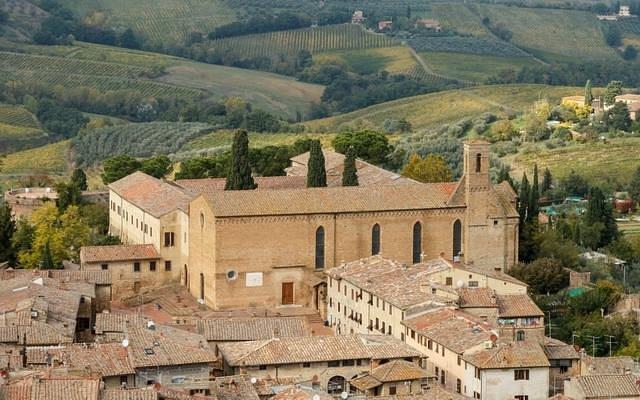
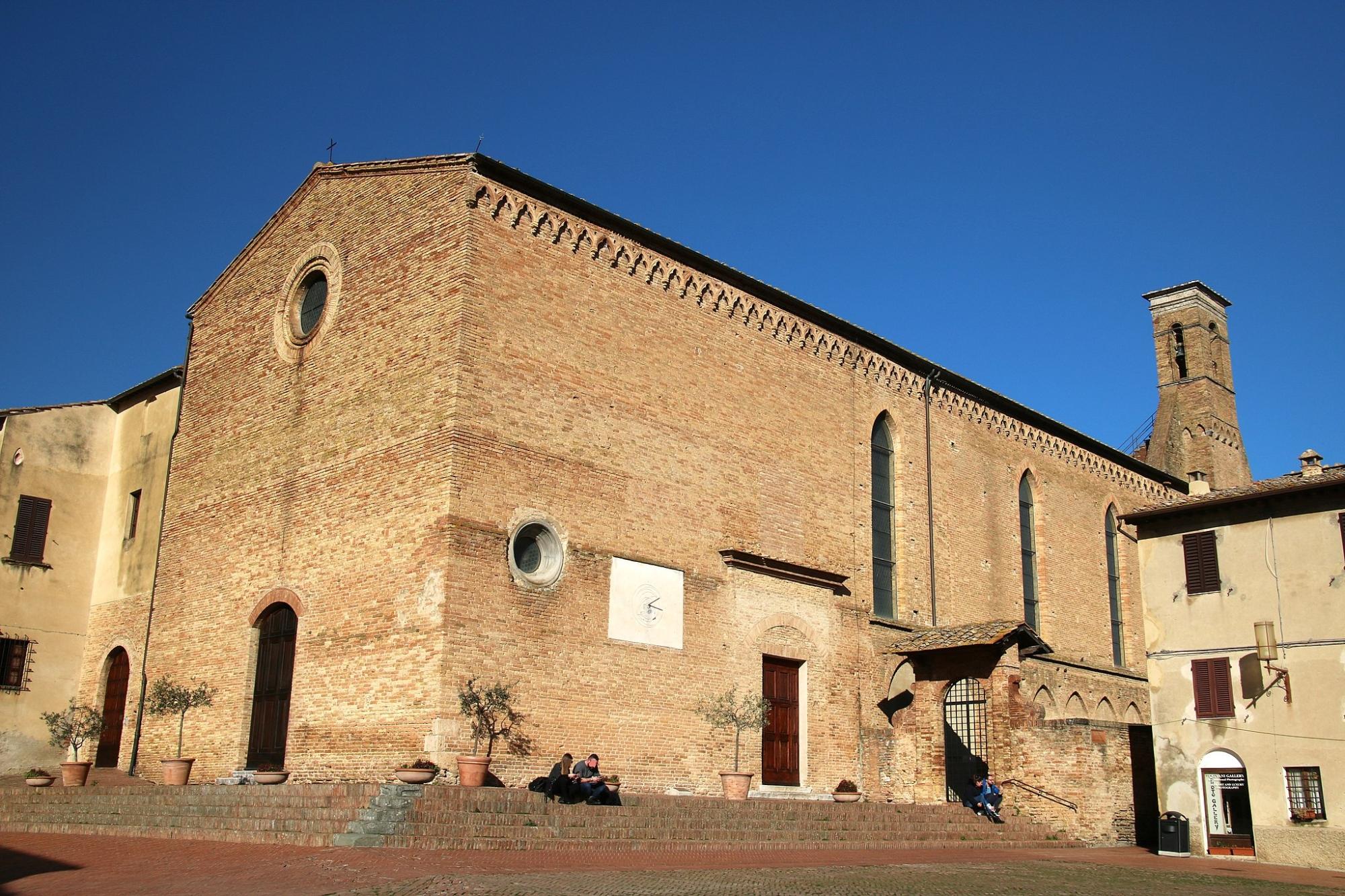
Church of Sant'Agostino stands as a cornerstone of medieval Tuscan art history, tucked away in the picturesque town of San Gimignano. Travelers and art enthusiasts flock to this 13th-century church, drawn by its extraordinary collection of Renaissance frescos that tell stories larger than the stone walls themselves. Located just steps from San Gimignano's main square, the church attracts thousands of visitors each year who want to witness Benozzo Gozzoli's remarkable artwork up close. The building doesn't just showcase religious history-it's a living canvas documenting medieval Tuscan culture, with each fresco revealing intricate details about local life, saints, and community struggles. Unlike many tourist-packed landmarks, Church of Sant'Agostino offers a more intimate experience, allowing visitors to get close to centuries-old artwork that has survived plagues, wars, and changing cultural landscapes. Photography is permitted inside, making it a prime spot for travelers wanting to capture the essence of medieval Italian religious art without the overwhelming crowds found in larger Italian cities.
Top things to do at Church of Sant'Agostino
- Examine Benozzo Gozzoli's extraordinary San Sebastian fresco, featuring the unique depiction of the saint protected by a bare-breasted Virgin Mary during the 1464 plague
- Study Lippo Memmi's Madonna and Child fresco from 1317, considered potentially the oldest artwork in San Gimignano
- Attend the Sunday 11 AM English-language mass in the chapel off the cloister, experiencing local religious traditions
- Explore the choir behind the altar to view Gozzoli's detailed fresco cycle illustrating Saint Augustine's life (1464-65)
- Photograph the intricate architectural details and Renaissance-era religious artwork throughout the church
- Compare different artistic styles by analyzing the medieval and early Renaissance frescoes side-by-side
Tickets and Entry
Entry to Church of Sant'Agostino is typically free, but donations are welcome. Guided tours cost around 5-7 euros per person. No advance booking required for individual visitors, but group tours should contact the church administration in advance. Photography is permitted inside the church for personal use, with a small fee for professional or commercial photography.
History of Church of Sant'Agostino
- Late 13th century: Original church construction begins in San Gimignano
- 1317: Lippo Memmi creates the oldest known fresco in the town - Madonna and Child
- 1464-1465: Benozzo Gozzoli completes his famous fresco cycle depicting Saint Augustine's life
- 1464: Gozzoli paints the remarkable San Sebastian fresco during the town's plague period
- Present day: Maintained as a significant historical and artistic landmark in Tuscany
Cultural Significance
Church of Sant'Agostino represents more than a religious site-it's a critical repository of medieval Tuscan art. The church showcases how local artists like Gozzoli and Memmi captured religious narratives, community struggles, and spiritual symbolism through their extraordinary frescoes. Its artworks provide deep insights into 15th-century social dynamics, religious beliefs, and artistic techniques of the Renaissance period.
Tips for Visitors
- Wear modest clothing that covers shoulders and knees
- Bring a small flashlight to examine fresco details more closely
- Allow at least 1-2 hours for a comprehensive visit
- Sunday 11 AM mass offers an authentic local experience
- Consider hiring a local guide to understand artwork's historical context
- No large backpacks allowed inside the church
What are some interesting facts about Church of Sant'Agostino?
- The San Sebastian fresco is considered one of the most unusual religious artworks in Tuscany, featuring a bare-breasted Virgin Mary helping the saint - a radical artistic choice for its time
- Lippo Memmi's Madonna and Child fresco from 1317 is potentially the oldest surviving artwork in San Gimignano, predating many other local historical pieces
- During the 1464 plague, this church became a symbolic center of community resilience, with Gozzoli's artwork documenting the town's spiritual and physical survival